
Straw and Post-Harvest Residues
Assess straw volume, management method, decomposition and field preparation.
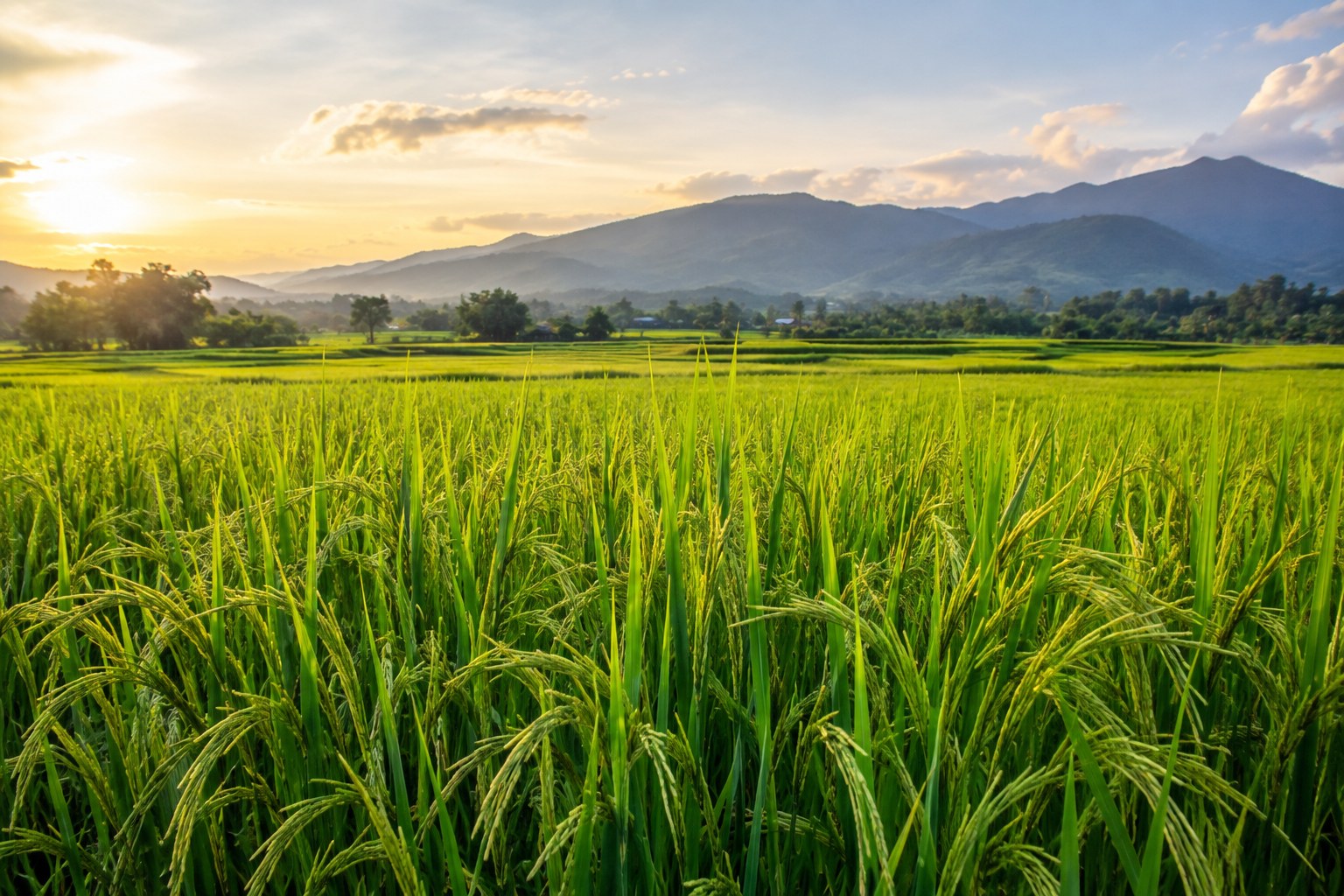
J.KAY approaches rice management from the field system before crop establishment, focusing on straw management, soil conditions, water, root development, crop condition and continued field monitoring throughout the growing cycle.
Straw • Soil • Water • Roots • Rice Plants • Field Follow-Up
FIELD ASSESSMENT
Visible symptoms may result from several interacting factors. Assessment should connect field conditions, soil, roots, plants and management history.
Assess straw volume, management method, decomposition and field preparation.
Review compaction, water-holding characteristics, drainage and overall soil condition.
Consider residue decomposition and soil conditions associated with microbial activity.
Assess timing of water introduction, water level, consistency and soil relationships.
Review field uniformity, soil condition after straw management and readiness.
Assess crop uniformity, early plant strength and distribution.
Review new root development, root distribution and soil/water limitations.
Assess leaf colour, leaf development, tillering and crop uniformity.
Consider relationships with water, temperature, soil condition and management.
Record timing, product application, field conditions and actual changes over time.
J.KAY DIAGNOSTIC APPROACH
A structured process helps separate evidence from assumptions.
Clearly identify the problem, timing and distribution.
Compare normal and affected areas while assessing soil, water, roots and plants.
Avoid conclusions based on one visible symptom or a product name.
Measure or collect additional samples when needed.
Define objectives, comparison areas and follow-up indicators.
Address major constraints first, then monitor real field changes.
SYSTEM VIEW
The primary constraint may sit below ground, in the plant structure, or in field management.
When appropriately managed, straw forms part of the field’s organic matter system.
Post-harvest and water-introduction soil conditions influence field readiness and roots.
Timing and water level influence soil conditions, residue decomposition and preparation.
PRODUCTS AS PART OF THE SYSTEM
Not every product is required in every field. Selection should depend on the problem, objective and actual site conditions.
FIELD PROJECT / MANAGEMENT FOCUS
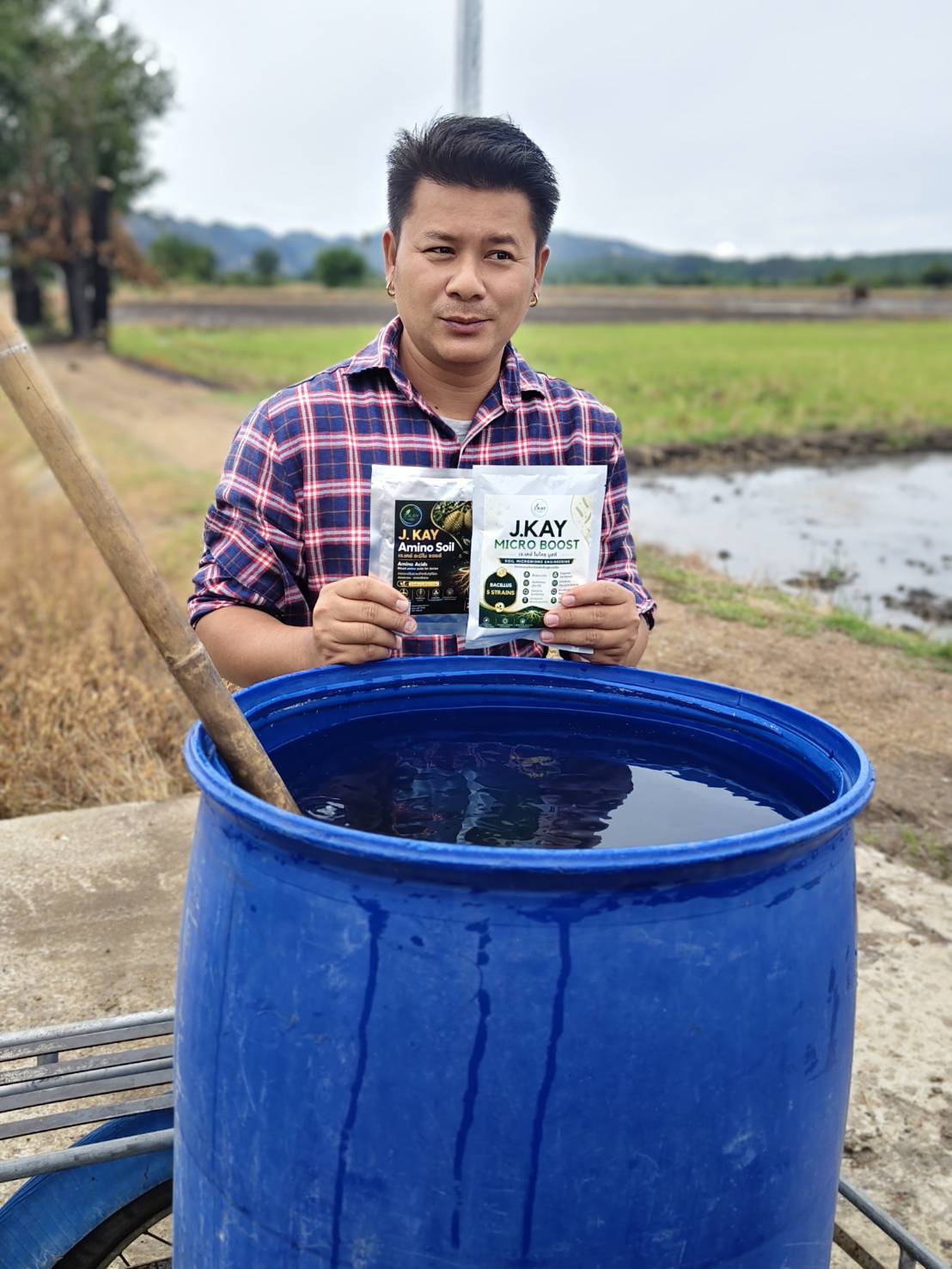
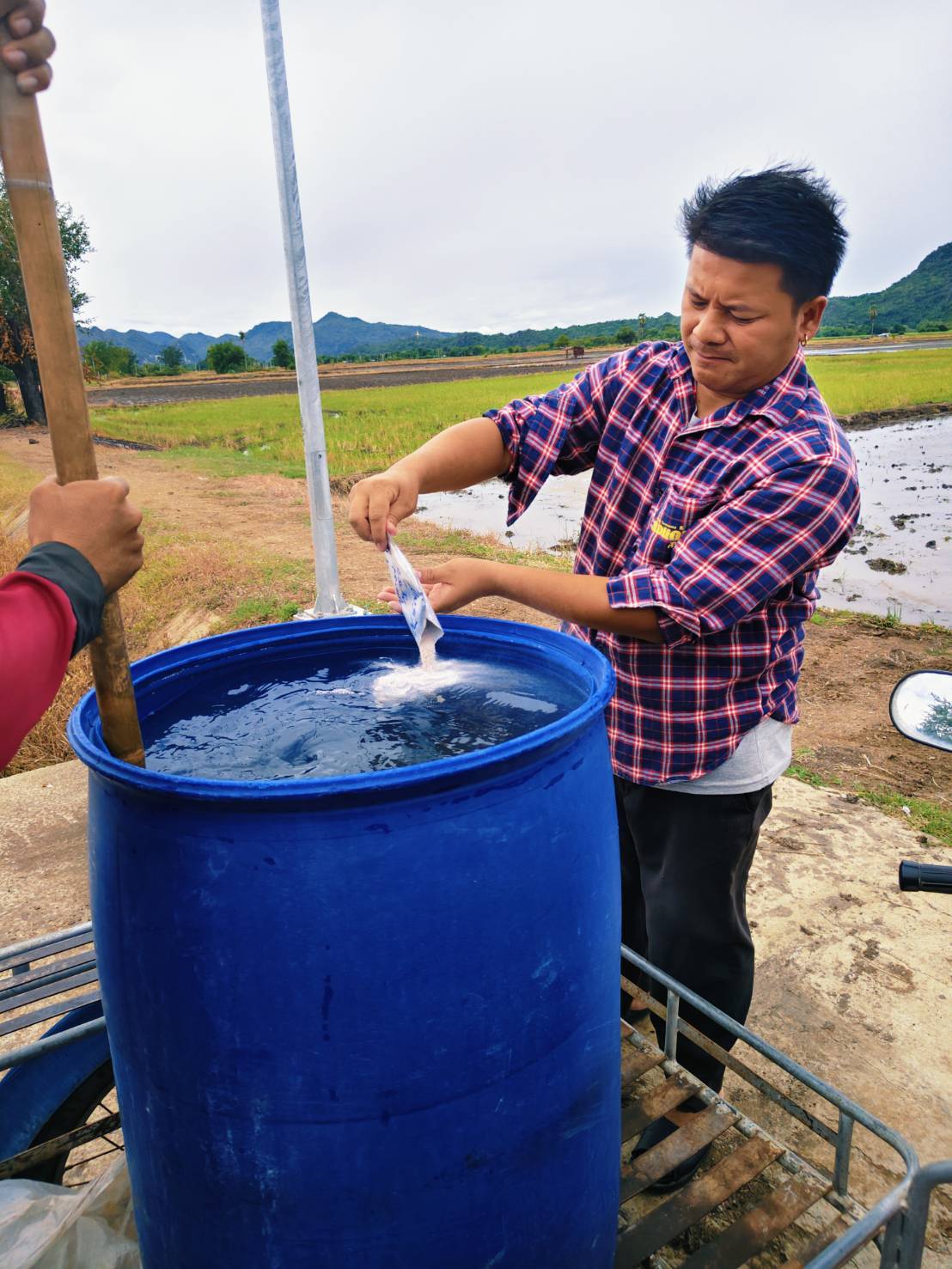
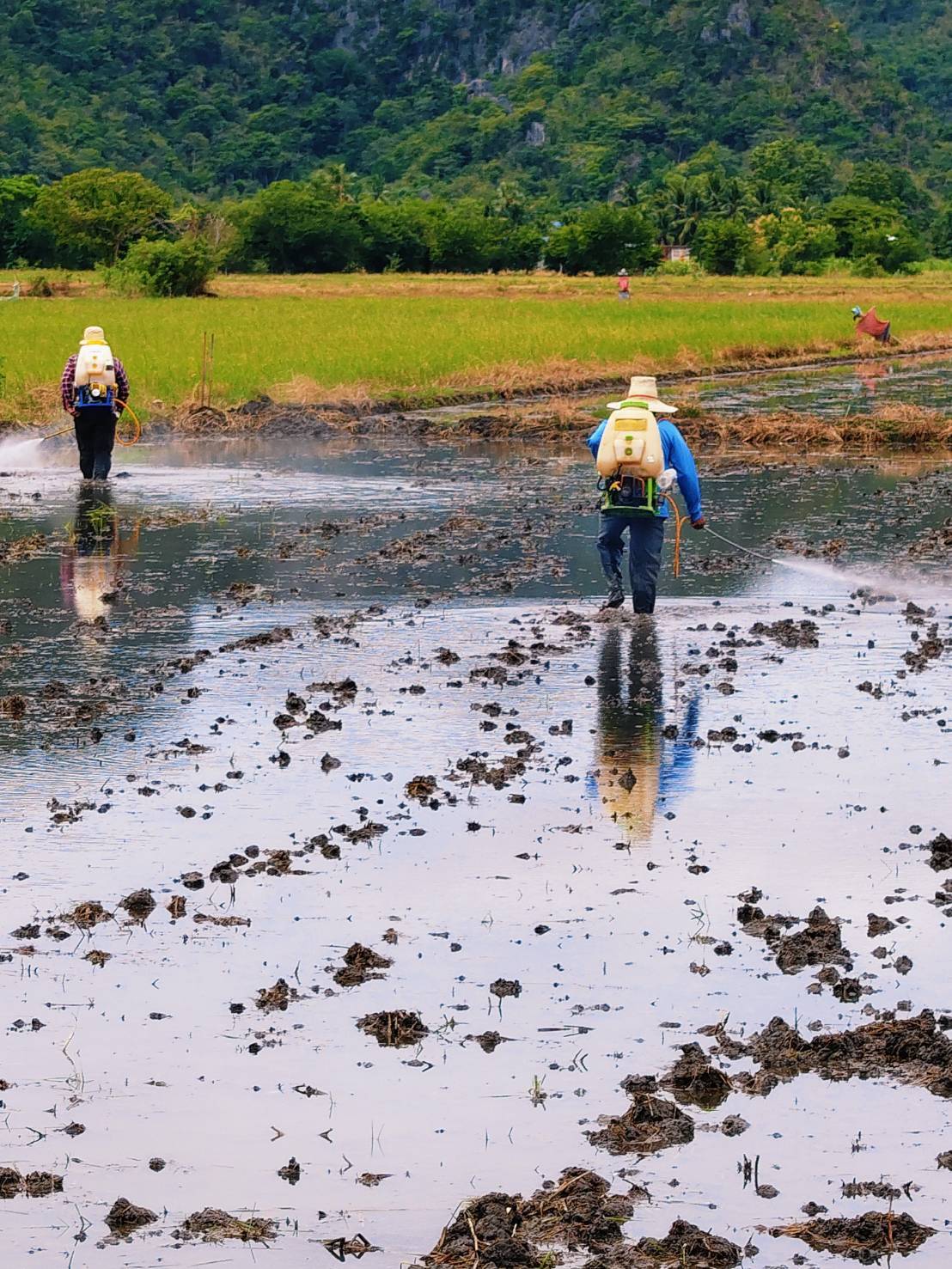
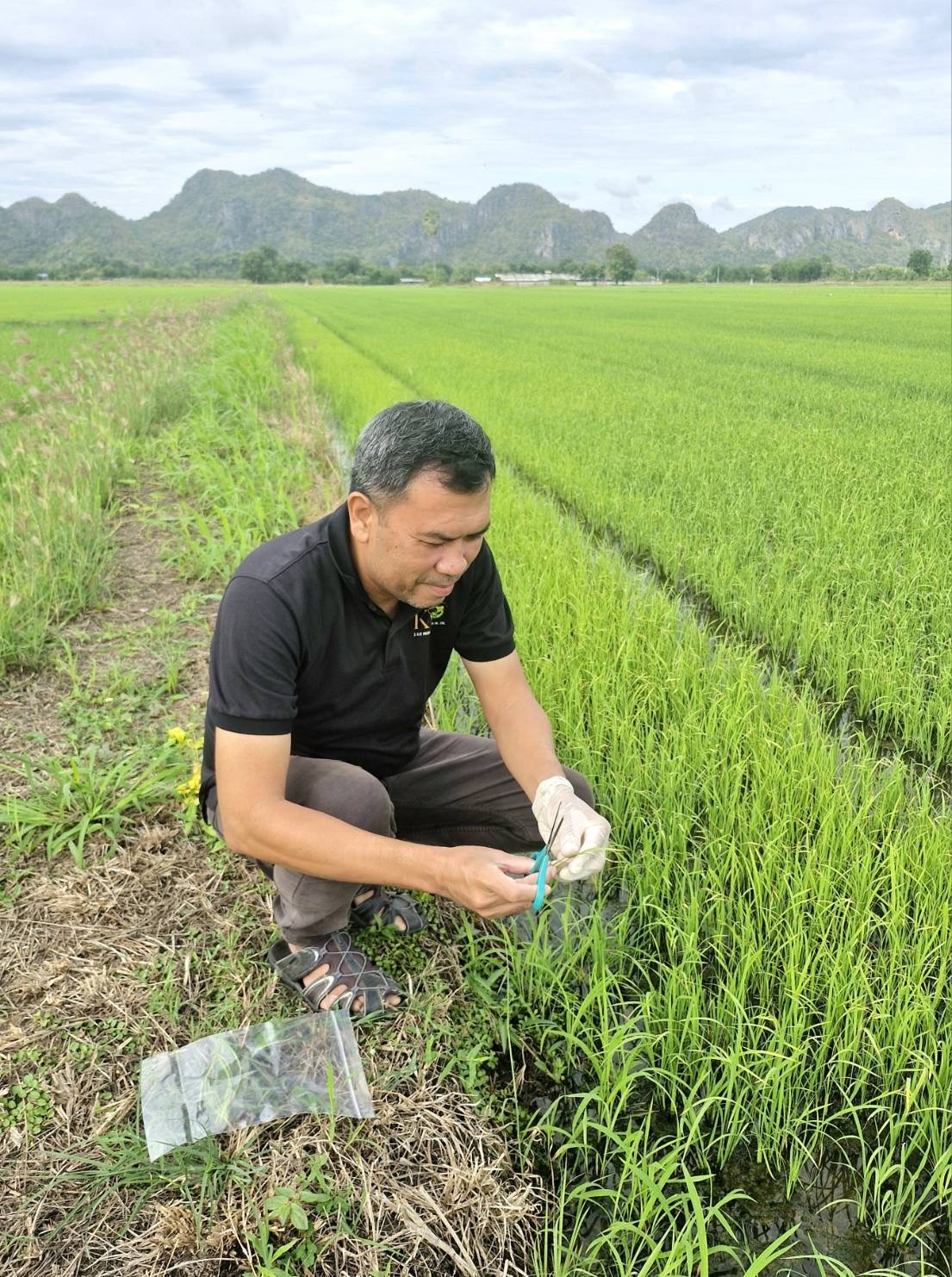
In the documented field example, J.KAY Micro Boost + J.KAY Amino Soil were applied during the initial straw and soil-management stage. Approximately 20 days after sowing, J.KAY Amino was used as a foliar application as part of continued crop management.
Assess → Diagnose → Plan → Trial → Follow Up → Refine
DEVELOPMENT PATH
Straw Management → Soil Preparation → Water Management → Sowing/Planting → Establishment → Tillering → Continued Care → Follow-Up. Timing should follow crop and field conditions rather than a fixed formula.
CONSULTATION
Rice Variety • Crop Age • Planting Method • Soil Condition • Straw Management • Water Level • Symptoms • Management History • Field Photos